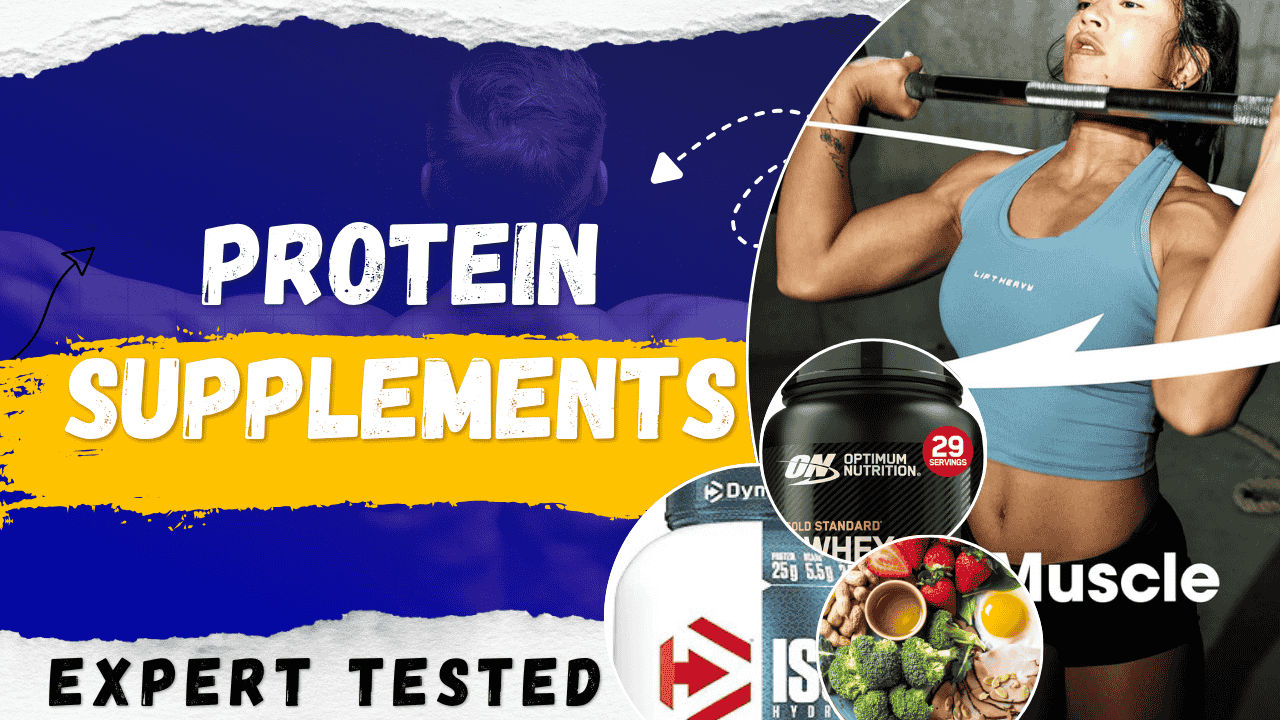
Struggling to pack on muscle no matter how intense your workouts? You’re not alone—I’ve been exactly where you are. Picture this: after years of second-guessing every protein powder on the market, I caved and spent $200 on a “breakthrough” blend. The label screamed results, but all I got was relentless bloating and that signature chalk flavor that haunted my every shake.
Weeks went by, gains stalled, and I realized the truth—the protein supplement world is crowded with hype and confusion. Today, I’m here to cut through the noise and deliver the definitive, no-BS resource on recommended protein supplements that genuinely work for muscle gain in 2026. Before buying any supplements, make sure to check your baseline muscle metrics on our free FFMI Calculator.
Want to know the single biggest mistake most lifters make with protein? Keep reading—you don’t want to fall into the same trap I did.
Do You Really Need Protein Supplements—or Is It All Marketing?
Let’s kick off with a bold truth: supplements aren’t magic. Protein itself? Non-negotiable for muscle repair and recovery—it’s literally what stitches your meat back together after you rip it in the gym.
Healthline and Forbes (JUN 2026) both double down on the science, recommending 1.6 to 2.2 grams of protein per kilogram of body weight for strength seekers and athletes.
But, here’s what the industry won’t tell you: if you’re already getting enough protein in your regular meals, shakes probably aren’t going to transform your physique. In fact, there’s so many great meals high in protein that can keep you satisfied.
I spent the first few years believing powdered protein was the golden ticket. After coaching dozens of clients and fine-tuning my own routine, I can say this: a supplement is nothing more than a gap-filler.
Smart muscle-building means whole-food protein first, and then using powders when real life—a crazy job, early lifts, or plant-based eating—leaves you falling short. Use this FFMI calculator to see if your own gains are lagging due to nutrition.
Case study time: Sarah, a nurse and a client of mine, was topping out at an FFMI of 18 for months despite consistent 4x a week workouts. Her downfall? Skipped meals and not enough protein, period. We started her with a 30g whey protein shake post-workout. In three months, her FFMI climbed to 21. That’s three points of lean, measurable progress—proof that the right supplement, at the right time, fills real gaps.
What’s the Best Protein for Muscle Building in 2026?
Let’s shatter the “one size fits all” myth. The best protein for muscle gain in 2026 depends on your goals, your gut, and, let’s be honest, your palate.
Whey Proteins: The classic for a reason. Whey is absorbed fast, making it the go-to for post-gym recovery. But let me throw you a curveball: hydrolyzed whey (as shown in Men’s Health 2026) outshines regular whey for those who want near-instant absorption and fewer digestive issues. Casein, the slow-burn cousin, works wonders for overnight repair—you’ll wake up more recovered than you might expect if you give it a real shot.
Plant-Based Options: Forget the old “tastes like lawn clippings” stereotype. 2025’s top plant-based proteins are legit for muscle gain. Pea and hemp blends, especially those with added prebiotics, are leading the gut-friendly trend (WIRED, 2025). They support vegans, those with lactose intolerance, and anyone focusing on sustainability. I’ve seen switchers gain up to 5lbs of lean mass with the right blend.
Mass Gainers: Hard-gainers—listen up. Not everyone needs a 1000-calorie shake, but if you’re eating enough to feed a linebacker and still not gaining, a quality mass gainer can tip the scale. My own bulking phase? Ten pounds up, then I had to rein in the sugar. Smart use, big gains.
The Top 5 Recommended Protein Supplements for 2026—Expert Tested
I’ve lived through dozens of tubs, and only a few have stood out. You’ll find honest pros, cons, and insider tips below. These are the brands my clients use… and the ones I trust in my own kitchen.
1. Maximize your daily macronutrient baseline with pure, premium fuel. Order your Optimum Nutrition Gold Standard Whey Protein directly through Amazon to hit your clean training goals.
- Pros: Affordable ($1.50/serving, October 2025), low sugar, dissolves easily into smooth shakes.
- Cons: Some flavors pack artificial sweeteners.
- How I Use it: 1 scoop post-workout.
2. Dymatize ISO100 Hydrolyzed Whey – Best for Digestion
- Pros: Incredibly smooth, third-party tested, pure.
- Cons: Premium price ($2/serving).
- How My Clients Use: Up to 2 scoops daily, especially after big lifts.
- Support your digestion. Optimize your daily protein intake with an ultra-clean, fast-absorbing isolate formula. Grab your Dymatize ISO100 Hydrolyzed Whey Protein on Amazon to lock in your macro goals.
3. Orgain Organic Plant-Based Protein – Best Vegan
- Pros: Truly gut-friendly, no soy. My vegan client gained 5 lbs of lean mass on this over six months (with FFMI up by 2).
- Cons: Slightly gritty texture—use a blender, not a shaker.
- How I Use it: 2 scoops in morning smoothies.
- Maximize your lean gains.
Fuel your muscles cleanly with a gut-friendly, organic blend. Pick up your Orgain Organic Plant-Based Protein Powder directly through Amazon to hit your vegan macro targets without any soy.
4. Bulk Supplements Whey Isolate – Best Budget
- Pros: $1/serving, no additives, just protein.
- Cons: You’ll want to mix it into flavored drinks or recipes.
- Tip: Use with oatmeal, pancakes, or banana smoothies.
- Power your daily performance. Keep your protein baseline fully funded without overspending on expensive branding. Check current pricing on BulkSupplements Whey Protein Isolate to stock your kitchen pantry affordably.
5. Dymatize Super Mass Gainer – Best for Bulking
- Pros: Packed with vitamins, supports major bulking phases.
- Cons: Carb-heavy! Not for anyone cutting weight.
- How My Clients Use it: 1 large scoop post-gym on high-volume days.
- Simplify your meal prep.
Ensure you never fall behind on your high-calorie requirements during intense bulking blocks. Grab your Dymatize Super Mass Gainer Powder on Amazon to support your muscle-building phases with pure convenience.
How to Choose (and Actually Benefit From) Your Protein Supplement
Here’s the secret: your results depend less on the powder—and more on how you use it. Always read ingredient labels. Look for high protein content, abundant BCAAs, and less than 5g sugar per serving. Avoid powders flagged by the Clean Label Project; in 2025, they found 50% contained heavy metals (Forbes Health, 2026). Always pick third-party tested options (like Dymatize ISO100 or Optimum Nutrition).
Timing is huge. The “anabolic window” is real—your muscles are sponges after a session. I recommend a shake within an hour of lifting, or blend with real foods for a meal. Favorite combo: whey, banana, peanut butter, and oat milk. It’s both delicious and effective.
Pro tip: If your shake clumps, blend longer or use a whisk. Some powders stick—the smooth ones stand out for a reason.
Want to avoid the pitfall I faced? I overdosed on cheap powders once, chugging over 100g daily from shakes. Result: angry gut and a not-so-fun chat with my doctor about kidney health. Lesson learned—supplements help, but nothing replaces moderation and quality. Use this FFMI calculator to actually quantify your results.
Final Thoughts
Here’s where things get exciting. 2026 is seeing a surge of gut-friendly blends—plant proteins enhanced with postbiotics for better digestion and nutrient absorption (WIRED, 2026). Brands are ditching outdated formulas and investing in sustainable, clean-label packaging at consumer demand.
Want an edge competitors miss? Focus on transparent, evidence-backed supplements that list sourcing, testing, and full ingredient panels. And if you’re ever in doubt, remember: food-first beats any powder, any day. That’s wisdom born from years—and costly mistakes.
FAQs
How much protein do I need daily?
The amount of protein you need depends on your goals, activity level, and body weight. A general guideline is 0.8 grams of protein per pound of body weight for those looking to build muscle, while less active individuals may need less.
When is the best time to consume protein supplements?
While you can consume protein at any time, many prefer to take it post-workout to support muscle recovery. Some also opt for protein shakes as a meal replacement or snack throughout the day.
Are protein supplements necessary?
Not always. If you can meet your protein requirements through whole foods, supplements may not be needed. However, they provide a convenient option for those with busy schedules or higher protein demands.
Can I use protein supplements to lose weight?
Yes, protein helps keep you full, supports lean muscle retention, and boosts your metabolism slightly. Pairing protein supplements with a healthy diet and exercise can aid in weight-loss efforts.
Are there side effects of consuming too much protein?
Excessive protein intake can lead to digestive discomfort, dehydration, or strain on the kidneys, especially in individuals with pre-existing kidney conditions. Moderation is key.